ICC Cricket World Cup:
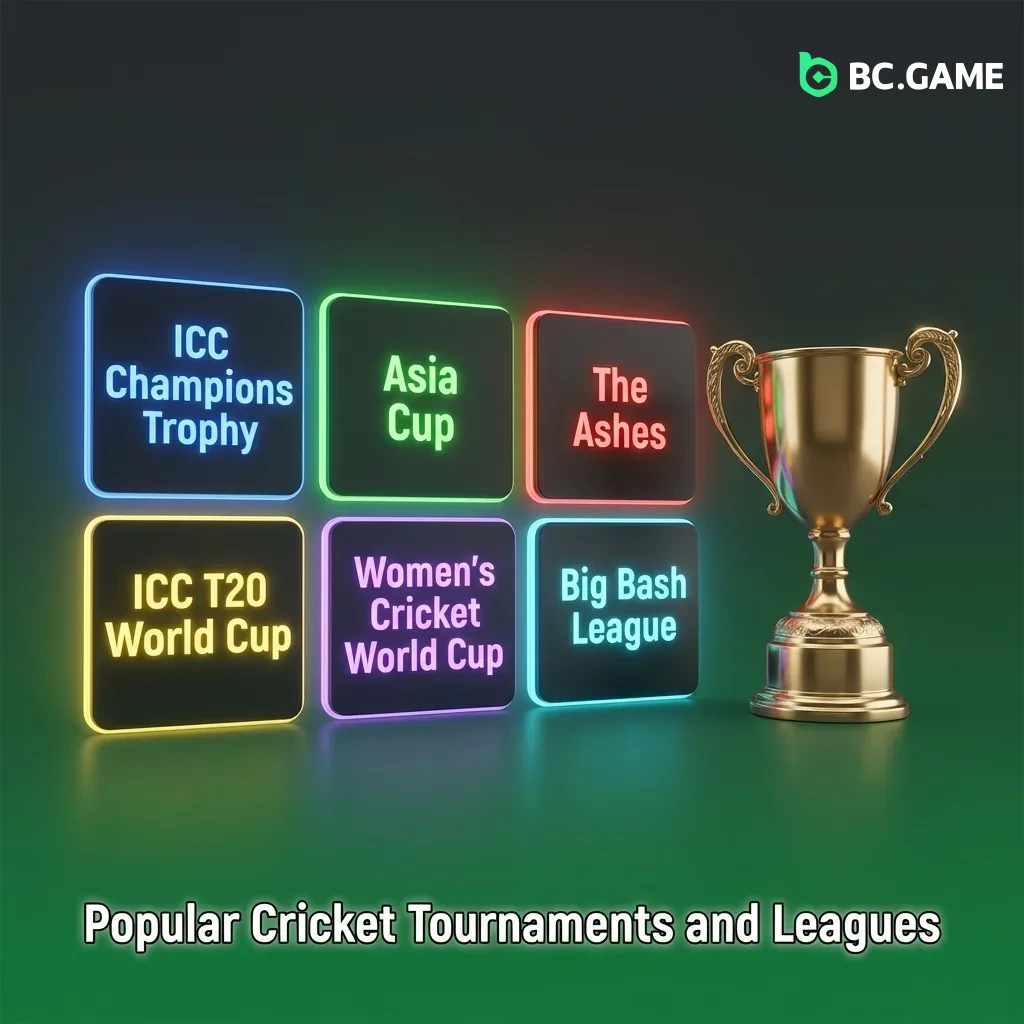
The Cricket World Cup is the premier international One Day International (ODI) tournament held every four years. It features the top 10 to 14 national teams competing over approximately six weeks. The tournament generates massive betting interest due to its global reach and high-stakes matches. Markets include match winners, top run scorers, highest wicket takers, and tournament outright winners.
T20 World Cup:
The T20 World Cup occurs every two years and showcases the shortest international format. Matches are fast-paced and last around three hours, making them ideal for live betting. The tournament attracts bettors who prefer dynamic odds and frequent market shifts. Popular bets include match winner, player of the match, and total sixes hit.
Pakistan Super League (PSL):
The PSL is Pakistan’s flagship domestic T20 league featuring six franchise teams. The tournament runs annually for about a month, typically in February and March. It draws massive local and international viewership. Betting markets cover match outcomes, top batsman per match, highest team score, and league winners.
Indian Premier League (IPL):
The IPL is the world’s most-watched cricket league, running for approximately two months each year. It features eight to ten franchise teams with international and Indian players. The league’s popularity creates extensive betting opportunities, including session betting, over-by-over markets, and player performance props.
The Ashes:
The Ashes is a historic Test series between England and Australia held biennially. The format consists of five Test matches played over several weeks. Test cricket offers unique betting opportunities such as series winner, match draws, individual innings totals, and century scorers. The longer format allows for strategic in-play betting as matches develop over multiple days.